
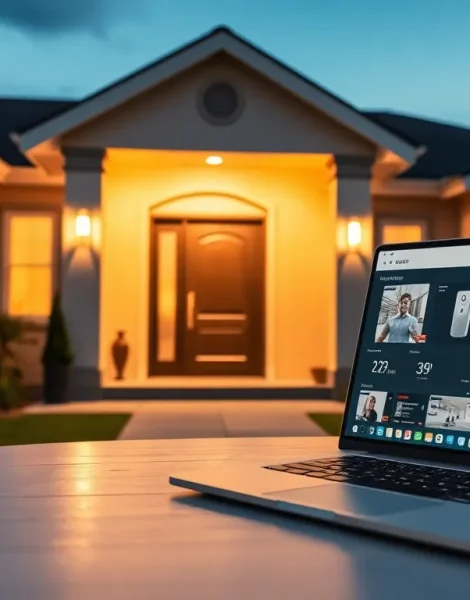
Security ideas matter more than ever in 2025. Property crimes, data breaches, and unauthorized access continue to affect homeowners and business operators across the country. The good news? You don’t need a massive budget or a degree in cybersecurity to protect what matters most.
This guide covers practical security ideas that actually work. From smart locks to digital safeguards, these strategies help protect physical spaces and sensitive information. Whether you’re securing a family home or a small business, you’ll find actionable steps that fit different budgets and threat levels.
Table of Contents
ToggleKey Takeaways
- Effective security ideas in 2025 don’t require a massive budget—many practical upgrades cost under $100 or are completely free.
- Smart locks, video doorbells, and motion-activated lighting are among the most impactful home security ideas for protecting entry points.
- Business security ideas should include layered approaches combining access control systems, commercial surveillance, and employee training.
- Strong passwords with two-factor authentication and regular software updates form the foundation of digital security for both homes and businesses.
- Budget-friendly security ideas like trimming bushes, using light timers, and installing door reinforcement kits can significantly deter criminals.
- Follow the 3-2-1 backup rule—three copies, two media types, one offsite—to protect against ransomware and data loss.
Home Security Measures That Work
Effective home security starts with understanding where vulnerabilities exist. Most burglars enter through doors, either by forcing them open or exploiting weak locks. Windows rank as the second most common entry point. Strong security ideas for homes focus on these areas first.
Motion-activated lighting serves as a simple deterrent. Criminals prefer darkness and cover. Well-lit entry points, driveways, and backyards make properties less attractive targets. Solar-powered options cost between $20 and $50 and require zero electrical work.
Video doorbells have become standard security ideas for modern homes. Devices from Ring, Nest, and Eufy let homeowners see visitors remotely and record activity. Many insurance companies offer discounts for homes with visible video surveillance.
Window sensors and glass break detectors add another layer of protection. These devices alert homeowners when someone attempts entry through windows. Most integrate with existing smart home systems and cost less than $30 per unit.
Smart Locks and Entry Point Reinforcement
Smart locks represent one of the most impactful security ideas for entry points. These devices eliminate the risk of lost keys and allow homeowners to grant temporary access codes to visitors, contractors, or house sitters. Brands like Schlage, August, and Yale offer models that work with Alexa, Google Home, and Apple HomeKit.
But smart locks alone aren’t enough. Door frame reinforcement kits strengthen the weak points around deadbolts and strike plates. A standard door frame can be kicked in with about 100 pounds of force. Reinforcement kits raise that threshold to over 1,000 pounds.
Sliding doors need security bars or pin locks. The factory latches on most sliding doors provide minimal resistance. A simple security bar costs under $25 and prevents the door from being forced open along its track.
Garage doors often get overlooked in home security planning. Smart garage controllers let homeowners monitor door status and close it remotely if left open. Some models include alerts that notify users when the door has been open for a set period.
Effective Business Security Strategies
Business security ideas differ from residential approaches in scale and complexity. Commercial properties face threats from theft, vandalism, employee misconduct, and corporate espionage. A layered security approach addresses multiple risk categories.
Access control systems form the foundation of business security ideas. Key cards, PIN codes, and biometric scanners limit entry to authorized personnel. These systems also create audit trails showing who accessed which areas and when. Cloud-based access control platforms allow managers to revoke credentials instantly when employees leave.
Commercial-grade surveillance cameras should cover all entry points, parking areas, cash handling locations, and inventory storage. Modern IP cameras offer 4K resolution, night vision, and AI-powered alerts for unusual activity. Storage options include local NVRs and cloud backup.
Alarm systems with professional monitoring provide 24/7 protection. When sensors detect intrusion, fire, or other emergencies, the monitoring center contacts authorities. Response times average under 30 seconds for top-tier services.
Employee training strengthens security from the inside. Staff should know how to identify suspicious behavior, handle sensitive information, and respond to emergencies. Regular security briefings keep awareness high without creating anxiety.
Cash management protocols reduce internal theft risk. These security ideas include dual-control procedures for safe access, regular cash drops, and surveillance of point-of-sale areas. Smart safes automate deposits and provide real-time reporting.
Digital Security Best Practices
Physical security ideas mean little if digital assets remain vulnerable. Cyberattacks cost businesses billions annually, and home networks face growing threats from hackers targeting smart devices.
Strong passwords remain the first line of defense. Each account should have a unique password with at least 12 characters, including numbers and symbols. Password managers like Bitwarden, 1Password, and LastPass generate and store complex credentials securely.
Two-factor authentication (2FA) adds a critical second layer. Even if someone steals a password, they can’t access accounts without the second verification factor. SMS codes work, but authenticator apps like Google Authenticator or Authy provide better protection.
Network security starts at the router. Change default admin credentials immediately. Enable WPA3 encryption if available. Create a separate guest network for visitors and IoT devices. This segmentation limits damage if one device gets compromised.
Regular software updates patch known vulnerabilities. Hackers exploit outdated software within hours of new exploits becoming public. Enable automatic updates on operating systems, browsers, and applications.
Backup strategies protect against ransomware and hardware failure. Follow the 3-2-1 rule: three copies of important data, on two different media types, with one copy stored offsite. Cloud backup services automate this process for both homes and businesses.
Email remains the primary attack vector for phishing attempts. Train yourself and employees to verify sender addresses, avoid clicking suspicious links, and report unusual messages. Security ideas like email filtering and DMARC protocols block many threats automatically.
Budget-Friendly Security Upgrades
Not every security upgrade requires significant investment. Many effective security ideas cost under $100 or nothing at all.
Free security improvements include:
- Trimming bushes near windows to eliminate hiding spots
- Setting timers on indoor lights to simulate occupancy
- Joining neighborhood watch programs
- Locking vehicles and never leaving valuables visible
- Shredding sensitive documents before disposal
Low-cost security ideas under $50 include motion sensor lights, door reinforcement kits, window locks, and fake security cameras. While dummy cameras don’t record, they deter opportunistic criminals who can’t tell the difference.
DIY alarm systems from SimpliSafe, Wyze, and Abode offer professional-level security ideas without installation fees or long-term contracts. Entry-level kits start around $100 and include sensors, a base station, and smartphone control.
Security window film strengthens glass against break-ins and severe weather. The film holds shattered glass in place, making entry difficult and loud. A roll costs about $30 and covers multiple windows.
For businesses on tight budgets, prioritize high-impact security ideas first. Access control on sensitive areas, basic camera coverage of entry points, and employee training deliver the most value per dollar spent.


