
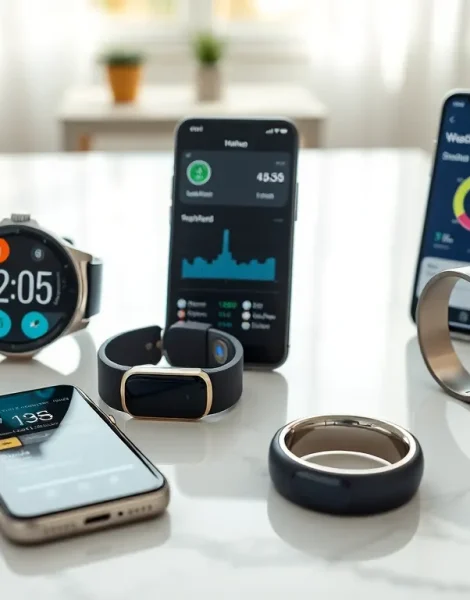
A wearables guide can save hours of research and help buyers avoid costly mistakes. Wearable technology has moved far beyond simple step counters. Today’s devices track sleep, monitor heart rate, measure blood oxygen, and even detect falls. The global wearables market reached $81.5 billion in 2024, and analysts expect it to grow by 14% annually through 2030.
But with hundreds of options available, picking the right wearable feels overwhelming. Smartwatches, fitness trackers, smart rings, and health monitors all compete for attention. Each category serves different purposes and price points.
This wearables guide breaks down the main device types, essential features, and practical tips for matching a wearable to specific lifestyle needs. Whether someone wants to improve fitness, monitor health conditions, or stay connected on the go, the right device exists, they just need to find it.
Table of Contents
ToggleKey Takeaways
- A comprehensive wearables guide helps buyers navigate hundreds of device options and avoid costly mistakes.
- Modern wearables track sleep, heart rate, blood oxygen, and even detect falls—going far beyond basic step counting.
- Smartwatches offer smartphone-like features but shorter battery life, while fitness trackers prioritize health monitoring with week-long battery performance.
- Smart rings like the Oura Ring provide discreet tracking for users who prefer minimal, non-wrist-worn devices.
- Always check device compatibility with your phone’s operating system, as some wearables limit features on non-native pairings.
- Identify your primary purpose—fitness, health monitoring, or everyday convenience—before choosing a wearable to ensure you invest in features you’ll actually use.
What Are Wearables and Why Do They Matter
Wearables are electronic devices worn on the body that collect data, provide information, or perform specific functions. They connect to smartphones or operate independently through built-in cellular connections.
The appeal of wearables comes down to convenience and insight. A fitness tracker on the wrist provides real-time feedback during workouts. A smartwatch delivers notifications without requiring users to pull out their phones. Medical wearables alert users to irregular heart rhythms before symptoms appear.
Health awareness drives much of the wearables market growth. Studies show that people who use fitness trackers walk an average of 1,800 more steps per day than non-users. That translates to roughly 40 extra minutes of movement weekly.
Wearables also matter for safety. Many devices include fall detection, emergency SOS features, and location sharing. For older adults or people with medical conditions, these features provide peace of mind for both users and their families.
The data these devices collect helps users identify patterns in their behavior. Sleep quality, stress levels, activity trends, and recovery metrics all become visible. This wearables guide emphasizes that understanding personal data often leads to better decisions about health and daily routines.
Types of Wearable Devices
Smartwatches
Smartwatch devices combine fitness tracking with smartphone-like features. They display notifications, support apps, handle calls, and provide GPS navigation. Apple Watch, Samsung Galaxy Watch, and Google Pixel Watch lead this category.
Smartwatch prices range from $150 to $800 depending on features and materials. Battery life typically lasts one to three days, which remains a common complaint among users.
Fitness Trackers
Fitness trackers focus primarily on health and activity monitoring. They’re lighter, cheaper, and often last longer on a single charge than smartwatches. Fitbit Charge, Garmin Vivosmart, and Xiaomi Mi Band represent popular options.
These devices excel at step counting, heart rate monitoring, and sleep tracking. Most cost between $50 and $200. Battery life extends to seven days or more for many models.
Smart Rings
Smart rings offer a discreet alternative to wrist-worn devices. The Oura Ring and Samsung Galaxy Ring track sleep, activity, and recovery without the bulk of a watch. They suit people who dislike wearing watches or want a secondary tracking device.
Smart rings cost between $300 and $500. Their small size limits screen-based features, but many users appreciate the minimal design.
Specialized Health Monitors
Some wearables target specific health concerns. Continuous glucose monitors help diabetics track blood sugar. ECG monitors detect heart irregularities. Hearing aids with smart features connect to phones and adjust automatically.
This wearables guide notes that specialized devices often require prescriptions or medical consultations before purchase.
Key Features to Consider Before Buying
Health and Fitness Tracking
Core health features include heart rate monitoring, step counting, and sleep tracking. Advanced wearables add blood oxygen measurement, stress detection, and menstrual cycle tracking.
Accuracy varies between devices. Research shows that wrist-based heart rate monitors can deviate by 5-10% from chest straps during intense exercise. For serious athletes, this difference matters.
Battery Life
Battery life affects daily usability. A device that needs charging every night can’t track sleep effectively. This wearables guide recommends looking for at least three days of battery life for general use.
Some GPS-enabled devices drain batteries faster during outdoor activities. Garmin and Polar models often prioritize battery performance for endurance athletes.
Compatibility
Not all wearables work with all phones. Apple Watch requires an iPhone. Samsung watches work best with Samsung phones but support other Android devices. Fitbit and Garmin products work across both iOS and Android.
Check app availability and features on specific platforms before buying. Some manufacturers limit functionality for non-native phone pairings.
Water Resistance
Water resistance ratings determine where users can wear their devices. A rating of 5 ATM (50 meters) handles swimming and showers. Lower ratings protect against sweat and rain only.
Swimmers and water sports enthusiasts should verify pool and open-water compatibility. Chlorine and salt water affect some materials differently.
Display and Design
Display type influences visibility and battery consumption. AMOLED screens show vibrant colors but use more power. Always-on displays provide constant information at the cost of battery life.
Size and weight matter for comfort during sleep tracking and exercise. Many wearables come in multiple sizes to fit different wrist dimensions.
How to Choose the Best Wearable for Your Needs
Start by identifying the primary purpose. Someone focused on running performance needs different features than someone managing a heart condition.
For fitness enthusiasts, look at GPS accuracy, workout detection, and recovery metrics. Garmin devices dominate the serious athlete market. Fitbit and Apple Watch serve casual exercisers well.
For health monitoring, prioritize sensor accuracy and medical certifications. The Apple Watch’s FDA-cleared ECG feature appeals to users concerned about heart health. Continuous glucose monitors require specific brand compatibility.
For everyday convenience, smartwatch features matter most. Notification handling, app support, and payment capabilities make daily tasks easier. Apple Watch and Samsung Galaxy Watch excel here.
Budget plays a significant role in this wearables guide. A $50 Xiaomi Mi Band tracks steps and sleep effectively. But it won’t match the accuracy or features of a $400 Apple Watch. Users should decide which features actually matter to them.
Try devices in stores when possible. Comfort, display visibility, and interface responsiveness vary between models. What looks good online might feel wrong on the wrist.
Read reviews from users with similar lifestyles. A device praised by marathon runners might disappoint casual walkers. Context matters for recommendations.


