
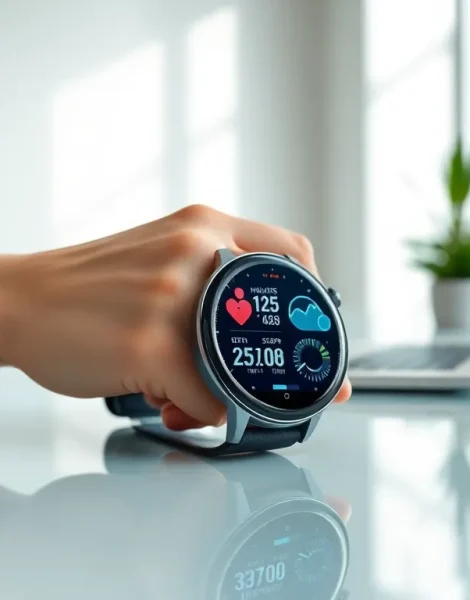
Wearables techniques have transformed how people monitor their health and fitness. These methods turn raw sensor data into actionable insights that guide daily decisions. From heart rate tracking to sleep analysis, modern wearable devices rely on specific techniques to deliver accurate, useful information.
This article breaks down the core methods behind wearable technology. Readers will learn how these devices collect data, which techniques improve accuracy, and how to integrate wearables into everyday routines. The goal is simple: help users get more value from their devices.
Table of Contents
ToggleKey Takeaways
- Wearables techniques transform raw sensor data into actionable health insights through optical sensors, accelerometers, and bioimpedance technology.
- Proper device placement—one finger-width above the wrist bone—significantly improves heart rate and activity tracking accuracy.
- Regular calibration with personal data like height, weight, and age helps wearables calculate metrics like calorie burn and VO2 max more precisely.
- Multi-sensor data fusion combines information from multiple sensors to reduce errors and deliver more reliable results.
- Consistent 24/7 wear and reviewing weekly trends, rather than just daily data, unlocks the full value of wearables techniques.
- Common issues like inconsistent readings, battery drain, and skin irritation can be resolved with simple adjustments like device repositioning and regular cleaning.
How Wearable Technology Collects and Processes Data
Wearable devices use multiple sensors to gather health data. Each sensor serves a specific purpose and relies on proven wearables techniques to function properly.
Optical Sensors and Photoplethysmography (PPG)
Most fitness trackers and smartwatches use optical sensors to measure heart rate. These sensors shine LED lights onto the skin and detect blood flow changes. This technique, called photoplethysmography, identifies pulse patterns by measuring light absorption variations.
PPG sensors work best when worn snugly against the skin. Movement and ambient light can interfere with readings. Modern devices apply algorithms to filter out noise and improve signal quality.
Accelerometers and Gyroscopes
Accelerometers detect motion by measuring changes in velocity. They track steps, identify activity types, and monitor sleep movement. Gyroscopes add rotational data, which helps distinguish between walking, running, and cycling.
These motion sensors generate massive amounts of raw data. Wearables techniques include machine learning models that classify activities based on movement patterns. The device processes this data locally or sends it to cloud servers for analysis.
Bioimpedance and ECG Sensors
Advanced wearables include bioimpedance sensors that measure body composition. These sensors pass a small electrical current through tissues and calculate resistance. ECG sensors capture heart electrical activity for more detailed cardiac monitoring.
Both sensor types require direct skin contact. They provide medical-grade data when calibrated correctly and used under proper conditions.
Key Techniques for Maximizing Wearable Accuracy
Getting accurate data from wearables requires attention to several factors. These wearables techniques help users achieve consistent, reliable results.
Proper Device Placement
Wrist-worn devices should sit about one finger-width above the wrist bone. Too loose, and the optical sensor loses skin contact. Too tight, and blood flow restriction skews readings.
Chest straps offer higher accuracy for heart rate monitoring. They detect electrical signals directly rather than relying on light-based measurements. Athletes often prefer chest straps during intense workouts.
Regular Calibration
Many wearables allow users to input personal data like height, weight, and age. This information helps algorithms calculate metrics like calorie burn and VO2 max more accurately.
Some devices support manual calibration for GPS and stride length. Running a known distance while wearing the device teaches it individual movement patterns. This simple step significantly improves distance tracking accuracy.
Firmware and Software Updates
Manufacturers continuously refine their wearables techniques through software updates. These updates fix bugs, improve sensor algorithms, and add new features. Users should enable automatic updates to benefit from ongoing improvements.
Multi-Sensor Data Fusion
Modern wearables combine data from multiple sensors to increase accuracy. A device might cross-reference heart rate data with movement patterns to determine exercise intensity. This fusion technique reduces errors that any single sensor might introduce.
Integrating Wearables Into Daily Health Routines
Wearing a device is only the first step. Effective wearables techniques involve building habits around data collection and review.
Consistent Wear Time
Wearables provide better insights with more data. Sleep tracking requires wearing the device overnight. 24/7 wear captures resting heart rate trends and activity patterns throughout the day.
Some users prefer to remove devices during charging or showers. Scheduling consistent charging times, like during a morning routine, maintains data continuity without sacrificing comfort.
Setting Meaningful Goals
Most wearable apps allow custom goal setting. Generic 10,000-step targets don’t suit everyone. Users should set goals based on their baseline activity and gradually increase targets as fitness improves.
Heart rate zones offer another goal-setting framework. Training in specific zones optimizes cardiovascular benefits. Wearables techniques like zone-based training turn passive monitoring into active fitness guidance.
Reviewing Trends Over Time
Daily data points tell part of the story. Weekly and monthly trends reveal more meaningful patterns. A gradual decrease in resting heart rate, for example, indicates improving cardiovascular fitness.
Many apps generate automatic insights based on historical data. Users should check these summaries regularly and adjust behaviors accordingly. The real value of wearables techniques lies in action, not just data collection.
Common Challenges and How to Overcome Them
Wearable technology isn’t perfect. Understanding common issues helps users troubleshoot problems and maintain realistic expectations.
Inconsistent Heart Rate Readings
Tattoos, dark skin tones, and excessive arm hair can interfere with optical sensors. Users experiencing inconsistent readings should try adjusting device placement or using a chest strap for critical workouts.
Cold temperatures also affect accuracy. Blood vessels constrict in cold conditions, reducing the signal strength for PPG sensors. Warming up before checking readings helps.
Battery Drain During GPS Activities
GPS tracking consumes significant battery power. Long hikes or ultra-marathons may exceed device capacity. Users can extend battery life by reducing GPS polling frequency or using connected GPS through a smartphone.
Some wearables techniques involve preloading maps or routes. This reduces the processing load during activities and preserves battery for tracking.
Data Syncing Issues
Bluetooth connectivity problems frustrate many users. Keeping firmware updated, closing unused apps, and staying within range of the paired phone usually resolves syncing issues.
Cloud storage limits can also block syncing. Regularly exporting or deleting old data keeps accounts within storage allowances.
Skin Irritation
Prolonged wear sometimes causes skin reactions. Cleaning the device and skin daily reduces irritation. Switching wrists occasionally gives skin time to recover. Users with persistent issues might try hypoallergenic band materials.


