
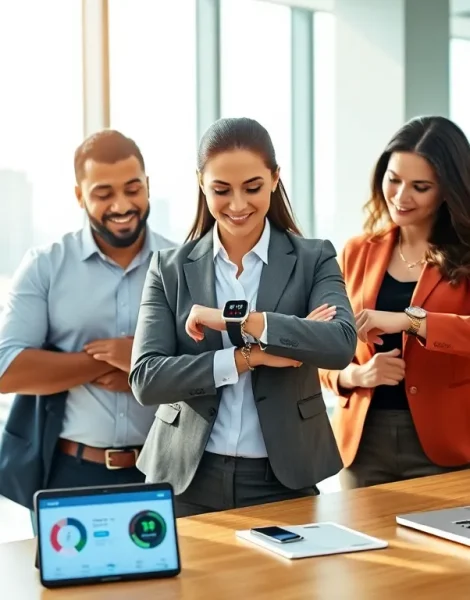
Wearables tips can transform how users interact with their smart devices daily. Smartwatches, fitness trackers, and health monitors have become essential tools for millions of people worldwide. Yet many owners barely scratch the surface of what these devices can do.
The average wearable user only takes advantage of about 30% of their device’s features. That’s a lot of untapped potential sitting on wrists everywhere. Whether someone just unboxed their first fitness band or has worn a smartwatch for years, the right strategies make all the difference.
This guide covers practical wearables tips that help users maximize functionality, extend battery life, and get accurate health data. Smart devices work best when owners know how to use them properly.
Table of Contents
ToggleKey Takeaways
- Match your wearable to your lifestyle and primary use case to avoid frustration and get the most value from your device.
- Extend battery life by reducing screen brightness, disabling always-on display, and limiting notifications to essential apps only.
- Enter accurate personal data and position your wearable correctly—two finger-widths above the wrist bone—for reliable health tracking.
- Integrate your wearable with nutrition, fitness, and health apps to see complete patterns and gain actionable insights.
- Clean your device weekly and maintain bands properly to ensure accurate sensor readings and extend its lifespan.
- Apply these wearables tips consistently to unlock the full potential of your smartwatch or fitness tracker.
Choose the Right Wearable for Your Lifestyle
The first step in getting value from smart devices starts before any purchase. Different wearables serve different purposes, and picking the wrong one leads to frustration.
Fitness enthusiasts who run marathons need different features than office workers who want step counts. Swimmers require water resistance ratings of at least 5 ATM, while someone focused on sleep tracking should prioritize comfortable designs for overnight wear.
Here’s what to consider:
- Primary use case: Is health monitoring, notifications, or fitness tracking the main goal?
- Compatibility: Does the device work with the user’s smartphone operating system?
- Battery expectations: Some wearables last two weeks: others need daily charging.
- Budget vs. features: Premium models offer ECG and blood oxygen sensors, while budget options cover basics well.
Research shows that users who match their wearable to their actual habits stick with the device longer. Someone who buys a $400 smartwatch but only checks the time has wasted money. A $50 fitness band might serve them better.
These wearables tips start at the selection phase because the right device makes everything else easier.
Optimize Battery Life and Performance
Battery anxiety ruins the wearable experience. Nobody wants a dead device during a workout or important meeting. Smart management keeps devices running longer.
Screen brightness drains batteries faster than almost any other feature. Reducing brightness by 25-30% can add hours of use time without making the display unreadable. Most users keep screens brighter than necessary.
Other battery-saving wearables tips include:
- Disable always-on display: This single change can double battery life on many smartwatches.
- Limit notifications: Every buzz and screen wake uses power. Only essential apps should push alerts.
- Turn off continuous heart rate monitoring: Checking every few minutes instead of constantly saves significant battery.
- Use airplane mode during sleep: If the device tracks sleep without phone connectivity, this extends battery overnight.
Software updates also affect performance. Manufacturers release firmware that fixes bugs and improves efficiency. Keeping devices updated ensures they run smoothly.
Background app refresh and GPS tracking consume substantial power too. Users should enable GPS only during outdoor workouts, not all day. Location services running 24/7 can cut battery life in half.
Customize Settings for Better Health Tracking
Accurate health data requires proper setup. Out-of-the-box settings rarely capture individual needs correctly.
Users should input accurate personal information first. Height, weight, age, and gender affect calorie calculations and heart rate zones. Wrong data produces wrong results. A 25-year-old athlete and a 55-year-old office worker have vastly different baseline metrics.
Wrist placement matters more than people realize. Fitness trackers should sit about two finger-widths above the wrist bone. Too loose, and the optical heart rate sensor can’t get consistent readings. Too tight causes discomfort and potential skin irritation.
These wearables tips improve tracking accuracy:
- Calibrate step length: Walk a known distance and adjust settings if counts seem off.
- Set activity goals realistically: Starting with achievable targets builds momentum.
- Enable sleep mode: This switches the device to sleep-optimized tracking at bedtime.
- Update health profile regularly: Weight changes affect calculations.
Heart rate zones deserve attention too. Default zones work for general fitness, but serious athletes should customize them based on actual maximum heart rate tests rather than age-based formulas.
Some devices offer stress tracking and blood oxygen monitoring. These features need proper wearing positions and calm conditions for accurate readings. Taking SpO2 measurements while moving produces unreliable data.
Sync and Integrate With Other Apps
Wearables become more powerful when connected to other services. Isolated data tells a limited story. Integrated data reveals patterns.
Most fitness wearables sync with popular health platforms like Apple Health, Google Fit, or Samsung Health. These connections let users see all their health information in one place. Someone might track runs with their watch, log meals in a nutrition app, and monitor weight with a smart scale, all feeding into one dashboard.
Useful integrations include:
- Nutrition apps: MyFitnessPal and similar services can pull activity data to adjust calorie recommendations.
- Music services: Spotify and Apple Music controls from the wrist make workouts smoother.
- Smart home devices: Some wearables trigger routines when users wake up or arrive home.
- Workout apps: Strava, Nike Run Club, and others offer deeper analytics than default apps.
These wearables tips about integration help users build complete health pictures. Seeing how sleep affects workout performance or how stress correlates with eating habits provides actionable insights.
Automatic syncing should run in the background without draining phone batteries excessively. Users can schedule sync times or trigger manual updates after workouts to manage this balance.
Cloud backup through companion apps protects historical data too. If a device breaks or gets replaced, years of health records don’t disappear.
Maintain and Care for Your Device
Physical care extends device lifespan significantly. Wearables endure sweat, dust, and daily wear that degrade components over time.
Cleaning matters more than users think. Sweat residue builds up under bands and around sensors. This buildup can irritate skin and interfere with heart rate readings. A weekly wipe with a damp cloth prevents most problems. Avoid harsh chemicals that damage coatings.
Band maintenance varies by material:
- Silicone bands: Wash with mild soap and water, dry completely before wearing.
- Leather bands: Keep dry and condition occasionally to prevent cracking.
- Metal bands: Use a soft brush to clean between links.
- Fabric bands: Remove and hand wash periodically.
These wearables tips about care seem basic but get overlooked. A dirty sensor produces inaccurate data. A degraded band breaks at inconvenient moments.
Storage matters during extended breaks too. If someone won’t wear their device for weeks, they should store it with about 50% battery charge in a cool, dry place. Full or empty batteries held long-term can lose capacity permanently.
Screen protectors and cases add bulk but prevent scratches on premium devices. Users who work with their hands or exercise outdoors benefit most from this protection.


