
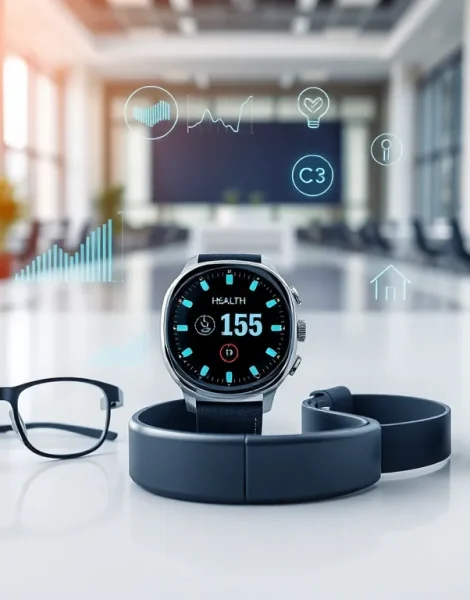
Wearables have transformed how people track health, stay connected, and interact with digital information. These devices sit on the body, on wrists, faces, or clothing, and collect data in real time. From smartwatches to fitness bands, wearable technology has moved from niche gadgets to mainstream tools used by millions daily.
But what exactly counts as a wearable? How do these devices work, and why have they become so popular? This guide breaks down everything readers need to know about wearable technology, including its types, benefits, challenges, and where the industry is headed next.
Table of Contents
ToggleKey Takeaways
- Wearables are body-worn devices like smartwatches, fitness trackers, and smart glasses that collect real-time data using sensors, processors, and wireless connectivity.
- Common types of wearable technology include smartwatches, fitness trackers, hearables, medical wearables, smart glasses, and smart clothing—each designed for specific purposes.
- Wearables offer significant benefits including continuous health monitoring, early detection of health issues, fitness motivation, and hands-free convenience.
- Privacy concerns, data accuracy limitations, battery life, and cost are key challenges to consider before purchasing a wearable device.
- The future of wearables includes advanced health sensors for non-invasive blood pressure and glucose monitoring, AI integration, and deeper healthcare system connectivity.
- Industry analysts project global wearable shipments to exceed 500 million units annually by 2027, signaling continued mainstream adoption.
How Wearable Technology Works
Wearable technology operates through a combination of sensors, processors, and wireless connectivity. Most wearables contain small sensors that detect physical data, heart rate, movement, temperature, or location. These sensors send information to a microprocessor inside the device.
The processor analyzes the data and either displays it on the wearable’s screen or transmits it to a connected smartphone or cloud server. Bluetooth and Wi-Fi handle most wireless communication, though some wearables use cellular networks for standalone connectivity.
Battery life remains a key factor in wearable design. Engineers balance processing power with energy consumption to keep devices running for hours or days between charges. Some wearables use low-power displays and sleep modes to extend battery performance.
Most wearables sync with companion apps on smartphones or computers. These apps store historical data, offer deeper analysis, and let users customize device settings. For example, a fitness tracker might show basic step counts on its display but provide detailed sleep analysis through its paired app.
Advanced wearables include GPS chips, accelerometers, gyroscopes, and even electrocardiogram (ECG) sensors. This combination of hardware allows a single device to track multiple health and fitness metrics simultaneously.
Common Types of Wearable Devices
Wearable devices come in many forms, each designed for specific purposes. Here are the most popular categories:
Smartwatches
Smartwatches combine traditional timekeeping with smartphone-like features. They display notifications, allow calls, run apps, and track fitness metrics. Apple Watch, Samsung Galaxy Watch, and Garmin models lead this category. Many smartwatches now include health monitoring features like heart rate tracking and blood oxygen measurement.
Fitness Trackers
Fitness trackers focus primarily on health and activity monitoring. Devices like Fitbit and Xiaomi Mi Band count steps, monitor sleep, and track workouts. They typically cost less than smartwatches and offer longer battery life due to simpler displays and fewer features.
Smart Glasses
Smart glasses overlay digital information onto the user’s field of vision. Meta’s Ray-Ban smart glasses can take photos and play audio, while specialized enterprise glasses assist workers with hands-free instructions. Apple’s Vision Pro represents a more immersive approach to wearable eyewear.
Hearables
Hearables include smart earbuds and hearing aids with connected features. AirPods, Galaxy Buds, and similar products offer audio playback, voice assistants, and fitness tracking through built-in sensors. Some hearables monitor heart rate through blood flow in the ear canal.
Medical Wearables
Medical-grade wearables track specific health conditions. Continuous glucose monitors help diabetics manage blood sugar levels. Wearable ECG monitors detect irregular heart rhythms. These devices often require regulatory approval and work alongside healthcare providers.
Smart Clothing
Smart clothing embeds sensors directly into fabric. Athletic shirts can measure heart rate and muscle activity. Compression sleeves track movement patterns for injury prevention. This category remains smaller but continues to grow.
Benefits of Using Wearable Technology
Wearable technology delivers practical advantages across health, convenience, and productivity.
Health Monitoring: Wearables provide continuous health data that was once available only in clinical settings. Users can track heart rate trends, sleep quality, stress levels, and physical activity. This information helps people make informed decisions about their health habits.
Early Detection: Some wearables detect potential health issues before symptoms appear. The Apple Watch has alerted users to irregular heart rhythms, leading to early diagnoses of atrial fibrillation. Fall detection features can automatically call emergency services for injured users.
Convenience: Wearables put information on the wrist instead of requiring a phone pull from a pocket. Quick glances show notifications, weather updates, or directions without interrupting other activities.
Fitness Motivation: Gamification features like step goals, achievement badges, and social competitions encourage users to stay active. Seeing progress data motivates many people to exercise more consistently.
Hands-Free Communication: Voice assistants on wearables allow calls, messages, and smart home control without touching a phone. This proves especially useful during workouts, cooking, or driving.
Personalized Insights: Over time, wearables learn individual patterns and offer customized recommendations. A device might suggest earlier bedtimes based on sleep data or recommend rest days based on recovery metrics.
Challenges and Considerations
Even though their benefits, wearables present several challenges users should consider.
Privacy Concerns: Wearables collect sensitive personal data, including location history, health information, and daily habits. Users must trust manufacturers to protect this data from breaches and misuse. Reading privacy policies helps clarify how companies store and share information.
Data Accuracy: Consumer wearables don’t match medical device accuracy. Heart rate sensors can miss beats during intense exercise. Step counters sometimes log false positives from arm movements. Users shouldn’t rely on wearables for medical diagnoses.
Battery Limitations: Most smartwatches need charging every one to three days. This inconvenience frustrates users accustomed to traditional watches that run for years. Simpler fitness trackers last longer but offer fewer features.
Cost: Premium wearables carry premium prices. High-end smartwatches cost several hundred dollars, and accessories add more expense. Budget options exist but often sacrifice features or build quality.
Information Overload: Constant notifications and health alerts can create anxiety rather than peace of mind. Some users obsess over metrics or feel stressed when they miss daily goals. Finding balance matters.
Compatibility Issues: Not all wearables work with all phones. Apple Watch requires an iPhone. Some Android wearables offer limited features when paired with iPhones. Checking compatibility before purchase prevents frustration.
The Future of Wearables
The wearable technology market continues to expand. Industry analysts project global wearables shipments to exceed 500 million units annually by 2027. Several trends will shape what comes next.
Advanced Health Sensors: Companies are developing wearables that measure blood pressure, blood glucose, and hydration levels non-invasively. These features would transform devices into comprehensive health monitors without finger pricks or cuffs.
AI Integration: Artificial intelligence will make wearables smarter. Devices will learn user preferences, predict health risks, and offer proactive suggestions. On-device AI processing will improve privacy by keeping data local.
Smaller Form Factors: Engineers are shrinking components to create less obtrusive wearables. Smart rings like the Oura Ring pack sensors into minimal designs. Eventually, wearable technology might become nearly invisible.
Extended Battery Life: New battery technologies and more efficient processors promise longer use between charges. Some manufacturers explore solar charging and kinetic energy harvesting to supplement traditional batteries.
Healthcare Integration: Wearables will connect more directly with healthcare systems. Doctors may prescribe specific devices and monitor patient data remotely. Insurance companies might offer discounts for healthy activity levels tracked by wearables.
Augmented Reality Expansion: Smart glasses will likely become more mainstream as technology improves. Lightweight AR glasses could eventually replace smartphones for many daily tasks.


