
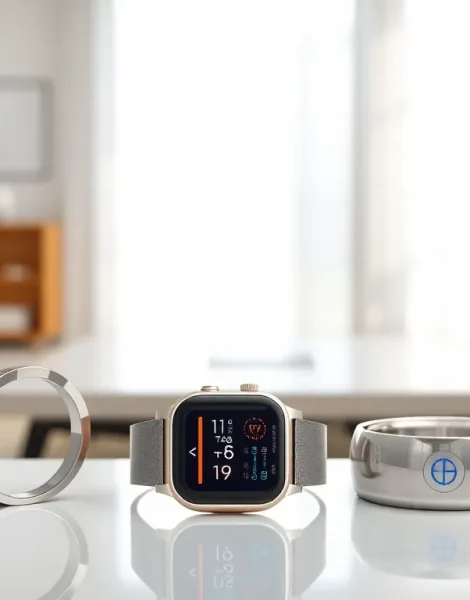
The best wearables in 2025 do more than count steps. They track sleep, monitor heart rhythms, and even detect early signs of health issues. Whether someone wants a smartwatch for daily productivity, a fitness tracker for marathon training, or a smart ring for discreet health monitoring, this year’s options deliver impressive results.
This guide covers the top wearables across categories. Readers will find smartwatches with advanced features, fitness trackers built for serious athletes, and emerging tech like smart rings. The goal is simple: help every reader find the best wearable for their lifestyle and budget.
Table of Contents
ToggleKey Takeaways
- The best wearables in 2025 go beyond step counting, offering sleep tracking, heart monitoring, and early health issue detection.
- Smartwatches like the Apple Watch Series 10, Samsung Galaxy Watch 7, and Garmin Venu 3 deliver all-in-one functionality for diverse users.
- Fitness trackers such as Fitbit Charge 6 and WHOOP 4.0 provide data-driven insights with longer battery life and fewer distractions.
- Smart rings like the Oura Ring Generation 3 offer discreet 24/7 health monitoring for users who prefer subtle wearables.
- Choose your wearable based on primary use case, device compatibility, battery life needs, and budget to find the perfect fit.
- Prices range from under $50 for budget fitness bands to over $500 for premium smartwatches, with excellent options at every level.
Smartwatches That Lead the Pack
Smartwatches remain the most popular category of wearables for good reason. They combine fitness tracking, notifications, apps, and health monitoring in one device. The best wearables in this category offer something for everyone.
Apple Watch Series 10
Apple’s latest smartwatch sets the standard for iOS users. It features a larger, brighter display and faster charging than previous models. Health features include blood oxygen monitoring, ECG readings, and sleep apnea detection. The Apple Watch Series 10 also tracks workouts with precision, making it ideal for both casual users and athletes.
Samsung Galaxy Watch 7
Android users have an excellent option in the Galaxy Watch 7. Samsung improved its BioActive sensor for more accurate heart rate and body composition readings. The watch runs on Wear OS and offers access to Google apps alongside Samsung’s health suite. Battery life lasts about 40 hours on a single charge.
Garmin Venu 3
For those who prioritize fitness over apps, the Garmin Venu 3 stands out. It provides detailed workout metrics, recovery scores, and advanced sleep tracking. Garmin devices also work across both iPhone and Android. The Venu 3 offers up to 14 days of battery life in smartwatch mode, a major advantage over competitors.
Each of these smartwatches represents the best wearables in 2025 for users who want an all-in-one device on their wrist.
Best Fitness Trackers for Health Enthusiasts
Fitness trackers focus on health and activity data without the bulk of a full smartwatch. These wearables appeal to users who want accurate stats and long battery life.
Fitbit Charge 6
The Fitbit Charge 6 delivers excellent value. It includes GPS, heart rate monitoring, and stress management tools. Google’s integration brings maps and wallet features to the slim band. Battery life reaches seven days, and the device syncs data to both Fitbit and Google Fit apps.
WHOOP 4.0
Serious athletes often choose WHOOP for its recovery-focused approach. The WHOOP 4.0 tracks strain, sleep quality, and heart rate variability around the clock. It skips the screen entirely, sending all data to a smartphone app. Users receive daily recommendations on training intensity based on their recovery scores. A subscription model covers the device cost, which may appeal to committed fitness enthusiasts.
Xiaomi Smart Band 8
Budget-conscious shoppers should consider the Xiaomi Smart Band 8. At under $50, it offers heart rate tracking, sleep analysis, and over 150 workout modes. The AMOLED display looks sharp, and battery life extends to 16 days. It’s one of the best wearables for those starting their fitness journey.
Fitness trackers suit users who want data-driven insights without distractions from apps and notifications.
Smart Rings and Emerging Wearable Tech
Smart rings represent the newest frontier in wearable technology. These small devices pack health sensors into a band worn on the finger. Many users prefer them because they’re subtle and comfortable for 24/7 wear.
Oura Ring Generation 3
The Oura Ring leads the smart ring market. It tracks sleep stages, heart rate, body temperature, and activity. The ring weighs about 4 grams and lasts up to seven days per charge. Oura’s app delivers a daily “Readiness Score” that tells users how prepared their body is for exercise or stress. Athletes, executives, and health-conscious users have adopted Oura widely.
Samsung Galaxy Ring
Samsung entered the smart ring space in 2024. The Galaxy Ring integrates with Samsung Health and syncs data with Galaxy watches and phones. It tracks sleep, heart rate, and menstrual cycles. The titanium design comes in multiple sizes for a proper fit.
Other Emerging Wearables
Beyond rings, other wearable tech is gaining attention. Smart glasses like the Ray-Ban Meta offer cameras and audio without a visible screen. Continuous glucose monitors help diabetics and health optimizers track blood sugar in real time. These devices expand what wearables can do.
Smart rings and emerging tech prove that the best wearables don’t always sit on the wrist.
How to Choose the Right Wearable for Your Needs
Picking the best wearable depends on personal goals and preferences. A few key factors help narrow down the options.
Define the Primary Use Case
Someone focused on fitness should prioritize workout tracking accuracy and battery life. A user who wants smartphone notifications and apps will benefit more from a full smartwatch. Those who value discretion might prefer a smart ring.
Check Device Compatibility
Apple Watches work best with iPhones. Samsung wearables integrate tightly with Galaxy phones. Garmin and Fitbit devices support both iOS and Android. Always verify that a wearable syncs with existing devices before buying.
Consider Battery Life
Smartwatch batteries typically last one to three days. Fitness trackers often reach one to two weeks. Smart rings fall somewhere in between. Users who dislike frequent charging should factor this into their decision.
Set a Budget
Prices range from $30 for basic fitness bands to over $500 for premium smartwatches. The best wearables provide value at every price point. Buyers should match features to their actual needs rather than overspending on unused capabilities.
These considerations make it easier to find a wearable that fits daily life.


