
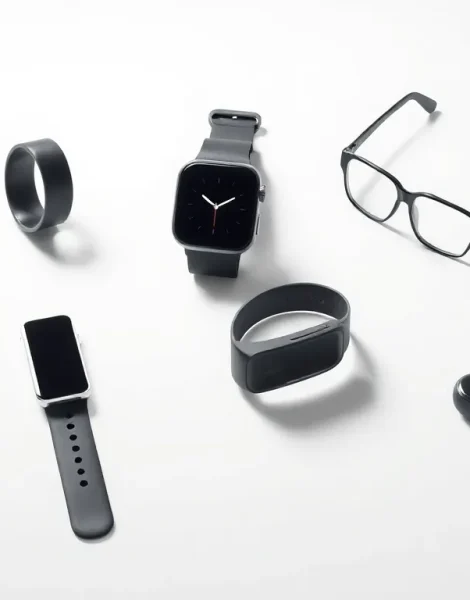
Wearables examples now include everything from smartwatches to health-tracking rings, and the market keeps growing. These devices sit on wrists, faces, and bodies, collecting data and delivering insights in real time. In 2024, global wearable device shipments exceeded 500 million units, proving that consumers want technology they can carry everywhere. This article covers the most popular wearables examples across five categories: smartwatches, fitness trackers, smart glasses, health monitors, and smart clothing. Each category serves different needs, but all share one goal, bringing useful technology closer to the human body.
Table of Contents
ToggleKey Takeaways
- Wearables examples span five main categories: smartwatches, fitness trackers, smart glasses, health monitors, and smart clothing.
- Smartwatches like Apple Watch and Samsung Galaxy Watch dominate the market, offering health tracking, notifications, and mobile payments in one device.
- Budget-friendly wearables examples like Xiaomi Mi Band and Fitbit Charge 6 provide essential fitness tracking without the high cost of smartwatches.
- Health monitoring wearables now include FDA-cleared devices that detect irregular heart rhythms and track blood glucose without finger pricks.
- Smart rings from Oura and Samsung offer 24/7 sleep and recovery tracking for users who prefer a discreet alternative to wrist-worn devices.
- Smart clothing and hearables represent the next frontier, embedding sensors into shirts, socks, and earbuds people already wear daily.
Smartwatches and Fitness Trackers
Smartwatches and fitness trackers represent the most common wearables examples on the market today. These wrist-worn devices have evolved from simple step counters into powerful mini-computers.
Smartwatches
The Apple Watch dominates smartwatch sales, holding roughly 50% of the global market share. It tracks heart rate, blood oxygen levels, and sleep patterns while also handling calls, texts, and mobile payments. Samsung’s Galaxy Watch series offers similar features for Android users, with a rotating bezel that many find easier to use.
Google’s Pixel Watch entered the space in 2022 and has gained traction thanks to its Fitbit integration. Meanwhile, Garmin targets athletes with wearables examples like the Fenix series, which includes GPS mapping, training metrics, and multi-day battery life.
Fitness Trackers
Fitbit remains a household name in fitness tracking. The Fitbit Charge 6 measures heart rate zones, tracks over 40 exercise modes, and monitors stress through electrodermal activity sensors. It costs less than most smartwatches, making it an attractive entry point.
Xiaomi’s Mi Band series offers budget-friendly wearables examples under $50. These trackers handle basic functions well: steps, sleep, and heart rate. They won’t replace a smartwatch, but they get the job done for casual users.
Whoop takes a different approach. This subscription-based tracker focuses entirely on recovery and strain metrics. It has no screen, just continuous monitoring that delivers insights through a smartphone app. Professional athletes often choose Whoop because it prioritizes performance data over notifications.
Smart Glasses and Augmented Reality Headsets
Smart glasses and AR headsets bring wearables examples to the face. These devices overlay digital information onto the physical world or replace reality entirely.
Smart Glasses
Ray-Ban Meta glasses look like regular sunglasses but include cameras, speakers, and microphones. Users can take photos, record videos, listen to music, and make calls without pulling out a phone. The 2023 update added Meta AI, allowing voice-activated searches and real-time translations.
Amazon’s Echo Frames serve a similar purpose with Alexa built in. They focus on audio functions rather than cameras, making them better for people who want voice assistance without recording capabilities.
AR and VR Headsets
Apple Vision Pro launched in early 2024 as a premium mixed-reality headset. It blends AR and VR, letting users see their surroundings while interacting with virtual apps. The $3,499 price tag limits its audience, but developers see it as a glimpse of future wearables examples.
Meta Quest 3 offers a more affordable option at $499. It handles VR gaming well and includes passthrough cameras for mixed-reality experiences. Microsoft’s HoloLens 2 targets enterprise users with AR applications in manufacturing, healthcare, and training.
These wearables examples represent early stages of spatial computing. As prices drop and designs shrink, smart glasses will likely become as common as smartwatches.
Health Monitoring Wearables
Health monitoring wearables examples go beyond fitness tracking. They measure vital signs and detect potential medical issues before symptoms appear.
Continuous Glucose Monitors
Dexcom G7 and Abbott’s FreeStyle Libre 3 let diabetics track blood sugar levels without finger pricks. These small sensors attach to the arm and transmit readings to smartphones. Some athletes and biohackers use them too, monitoring how food affects their glucose in real time.
Smart Rings
Oura Ring has become one of the most popular wearables examples for sleep tracking. It measures heart rate variability, body temperature, and blood oxygen while users sleep. The ring form factor appeals to people who don’t want something on their wrist 24/7.
Samsung Galaxy Ring entered the market in 2024, offering similar features with deeper integration into Samsung’s ecosystem. Both rings prioritize sleep and recovery metrics over daytime activity.
Medical-Grade Wearables
Some wearables examples have FDA clearance for specific medical uses. The Apple Watch can take ECG readings and detect irregular heart rhythms like atrial fibrillation. AliveCor’s KardiaMobile provides a clinical-grade ECG that doctors can use for diagnosis.
BioSticker by BioIntelliSense monitors multiple vital signs for up to 30 days. Hospitals use it for remote patient monitoring after surgery or during chronic disease management. These devices blur the line between consumer electronics and medical equipment.
Smart Clothing and Accessories
Smart clothing and accessories represent emerging wearables examples that embed technology directly into fabrics and everyday items.
Smart Clothing
Hexoskin makes biometric shirts that track heart rate, breathing, and movement without separate devices. Athletes and researchers use them for detailed performance analysis. The sensors are woven into the fabric, so users barely notice them.
Nadi X yoga pants vibrate to guide wearers through poses. Sensors detect body position and provide gentle feedback when alignment needs correction. It’s a niche product, but it shows how wearables examples can move beyond watches and rings.
Sensoria makes smart socks for runners. Textile sensors on the foot detect pressure distribution and cadence, helping athletes improve their form and reduce injury risk.
Hearables and Earbuds
AirPods Pro 2 include hearing aid features approved by the FDA. They can amplify sounds for people with mild to moderate hearing loss, a first for mainstream earbuds. Sony and Jabra also offer earbuds with real-time translation and ambient sound control.
These wearables examples show technology moving into items people already use daily. The best wearable is often one users forget they’re wearing.
Smart Jewelry
Bellabeat Leaf tracks activity, sleep, and stress while looking like a piece of jewelry. It appeals to women who want wearables examples that don’t look like tech gadgets. Motiv Ring (now discontinued) proved that consumers want stylish options, pushing companies like Oura and Samsung to improve their ring designs.


